Soffit: Attic Airflow
Fascia: Gutter Support
What Is Soffit and Fascia? Why They Matter More Than You Think
The two roofline components that quietly hold your ventilation, pest protection, and gutter system together.
Most homeowners can point to their roof, their siding, and their gutters without thinking twice, but soffit and fascia usually go unnoticed until something's wrong with them.
This guide explains what they actually are, why do you need soffit and fascia in the first place, how the common materials compare, and what changes about that choice in New Orleans and on the Emerald Coast — these two often-overlooked parts of a roofline explained in plain terms.
The Basics
What Soffit and Fascia Actually Are
They're two different boards doing two different jobs, even though they're often mentioned in the same breath. Understanding soffit fascia function separately is the fastest way to make sense of everything else in this guide.
Soffit: Location and Core Function
Soffit is the horizontal panel tucked underneath the roof overhang, visible when you look up from ground level at the underside of the eave. Most soffit is vented or perforated, letting fresh air into the attic space while keeping out rain, pests, and debris — that airflow is what keeps an attic from turning into a hot, moist trap that damages the roof deck and insulation from below.
Fascia: Location and Core Function
Fascia is the vertical board that runs along the edge of the roof, visible from the street and from anyone standing in the yard looking up. Fascia is also the primary attachment point for the gutter system, and it caps the exposed ends of the rafters, protecting them from direct rain and sun exposure.
How They Work Together as One System (with gutters and roof)
They aren't separate repairs waiting to happen independently — they're one connected system along with the roof edge and the gutter that hangs off the fascia board. Cold, dry air enters through the vented soffit panels at the eave, warm moist air rises through the attic and exits at a ridge vent, and the fascia holds the gutter that carries water off the roof edge that this pairing is protecting. A problem with one piece — a gap in the soffit, a rotting fascia board, an undersized gutter — tends to create problems for the other two before long.
| Component | Location | Primary Job |
|---|
| Soffit | Horizontal, underside of the eave | Attic ventilation, keeps out pests and debris |
| Fascia | Vertical, edge of the roof | Gutter attachment, caps and protects rafter ends |
Why It Matters
Why Soffit and Fascia Matter More Than Most Homeowners Realize
Neither one is decorative trim — each does real structural and functional work that most homeowners don't think about until it fails.
Attic Ventilation and Moisture/Mold Control
Vented soffit is usually the intake side of a home's attic ventilation system, pulling in fresh outside air that flows up through the attic and out through a ridge or gable vent. Without that intake airflow, an attic traps heat and humidity, which encourages mold growth on the underside of the roof deck and can shorten the life of both the roofing material and the insulation below it.
Pest and Wildlife Barrier (Termite Risk in Louisiana & the Gulf Coast)
Together they form a physical barrier between the outside and the attic and rafter framing, and gaps in either one are a genuine entry point for pests. In the New Orleans area specifically, aggressive Formosan subterranean termites can exploit gaps as small as a fraction of an inch in a wood eave or fascia board, and once inside they attack rafters and other structural wood from a hidden vantage point that's hard to inspect without pulling material off the eave.
Termite Entry RiskFormosan subterranean termites can exploit gaps as small as a fraction of an inch in a wood eave or fascia board. Fascia made from aluminum or another non-wood material can act as a barrier against this kind of entry, protecting the wood framing underneath.
Gutter Support and Water Management
The gutter hangs directly off the fascia board, which means the fascia has to be solid and properly fastened to hold a gutter full of water, especially during a Gulf Coast downpour. A fascia board that's soft, rotted, or thinner than code allows can pull loose under the load of a heavy rain event, taking the gutter down with it — which is also why gutter sizing matters here: a standard 5-inch gutter handles meaningfully less water per linear foot than a 6-inch system, and a fascia board rated for local rainfall intensity, paired with a correctly sized gutter, is what actually keeps water moving off the roof edge instead of overflowing behind it.
Energy Efficiency and Cooling Costs
An attic that vents properly through the soffit runs cooler in summer, which reduces how hard an HVAC system has to work to keep the living space below comfortable — in a Gulf Coast climate with a long, hot cooling season, that ventilation difference shows up directly on the power bill.
Curb Appeal and Resale Value
Both run the entire perimeter of a roofline, so peeling paint, sagging boards, or mismatched repair patches are visible from the street in a way that's hard to miss, even for someone who doesn't know what they're looking at. A well-maintained roofline reads as a well-maintained home overall, which matters at resale even though buyers rarely mention it by name.
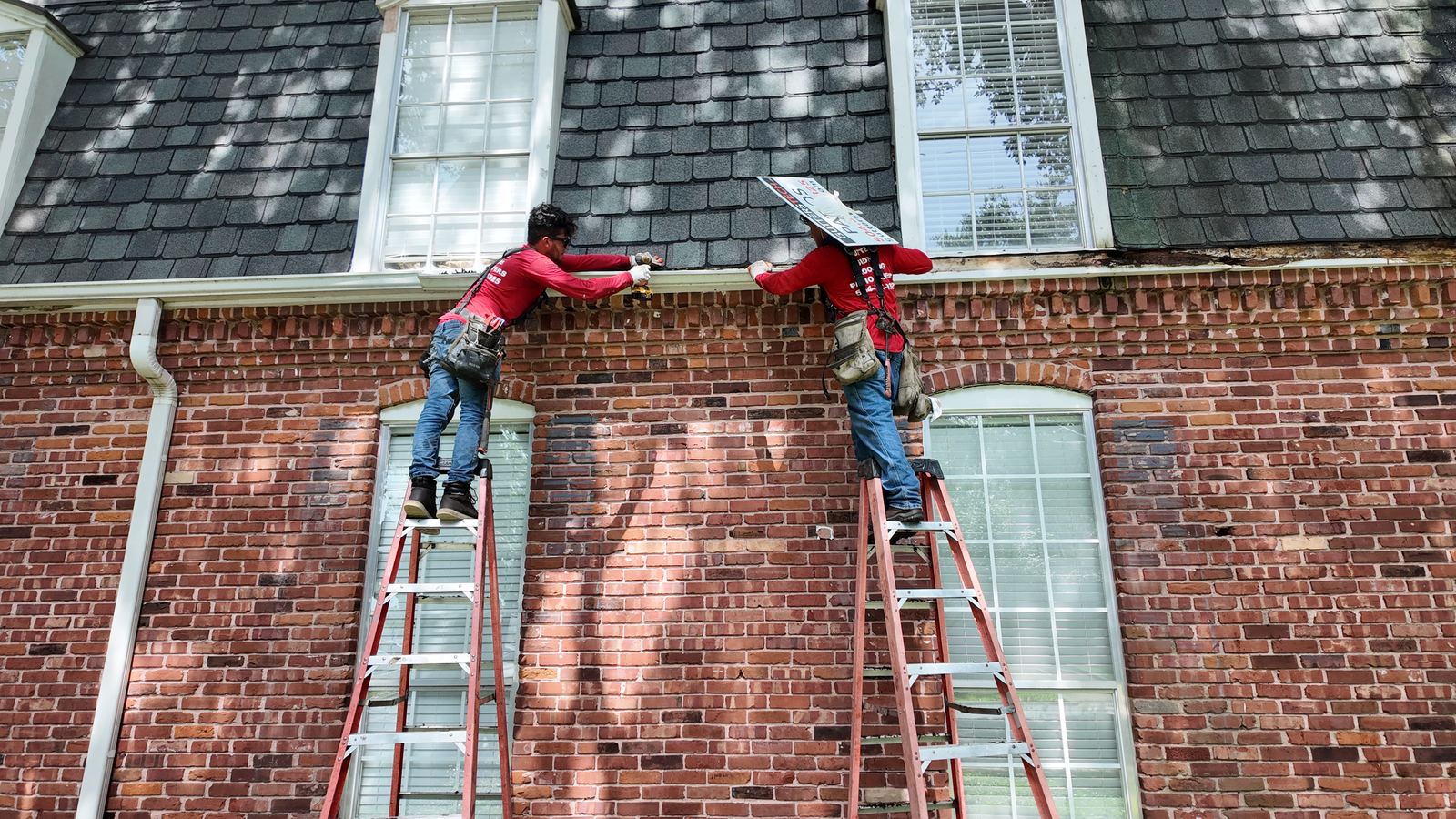
Vented soffit is the intake side of a home's attic ventilation loop — without it, heat and moisture have nowhere to escape.
Materials
Soffit and Fascia Materials Compared
Every cost figure below is a national average per linear foot, not a quote for your home — actual pricing depends on profile, region, and existing damage. Request a free estimate for exact numbers on your roofline.
Wood
Wood remains popular for its ability to match almost any architectural style and take paint or stain in any color, but wood is also the most expensive material to maintain over time and the most vulnerable to rot, moisture, and the termite risk covered above.
Cost per linear foot
Wood fascia typically runs $1 to $3 per linear foot, and wood soffit runs $1 to $4.50 per linear foot, before labor.
Lifespan
Wood typically lasts 10 to 15 years before rot or insect damage forces replacement, shorter than every other material on this list.
Maintenance
Wood needs regular repainting or resealing, and any soft or discolored section should be checked immediately, since rot spreads faster than it shows on the surface.
Climate Fit
Wood is the weakest fit for the humidity, heavy rainfall, and termite pressure common to both New Orleans and the Destin coast unless it's paired with diligent, consistent maintenance.
Vinyl
Vinyl is a low-maintenance, budget-friendly option that resists rot, warping, and pest damage far better than wood, though vinyl can fade over time in direct sun and become brittle in extreme heat or cold.
Cost per linear foot
Vinyl soffit typically runs $1 to $2 per linear foot, while vinyl fascia runs $5 to $8 per linear foot, before labor.
Lifespan
Vinyl typically lasts 20 to 30 years with normal maintenance.
Maintenance
Vinyl needs little beyond occasional washing, though a cracked or brittle section from heat exposure should be replaced rather than patched.
Climate Fit
Vinyl performs reasonably well in Gulf Coast humidity, but sustained, intense summer heat on the Destin coast can accelerate the brittleness that eventually leads to cracking.
Typical Lifespan by Material
Aluminum
Aluminum resists pests, water damage, and rot essentially completely, making them one of the most durable and lowest-maintenance choices available for a humid, insect-heavy climate.
Cost per linear foot
Aluminum soffit typically runs $3 to $6 per linear foot, generally priced above vinyl but below fiber cement.
Lifespan
Aluminum commonly lasts 40 years or more.
Maintenance
Aluminum needs essentially no maintenance beyond occasional cleaning, and it won't rot, warp, or attract termites the way wood can.
Climate Fit
Aluminum is a strong fit for both New Orleans humidity and termite pressure and Destin's salt air and heat, which is part of why it's a common upgrade choice when replacing a failed wood roofline in this region.
Fiber Cement / Composite
Fiber cement and composite deliver excellent durability, fire resistance, and pest resistance in a material that can still be finished to look like painted wood trim, though the added weight means installation needs more support and a larger crew.
Cost per linear foot
Fiber cement soffit typically runs $5 to $12 per linear foot, the highest of the four materials compared here.
Lifespan
Fiber cement and composite typically last 30 to 50 years.
Maintenance
Fiber cement needs occasional repainting depending on the finish, but doesn't rot, warp, or provide the same easy entry point for pests that wood does.
Climate Fit
Fiber cement holds up well in both the New Orleans humidity/termite environment and Destin's salt air and heat, making it a strong long-term choice anywhere the extra upfront cost fits the budget.
Wood$1–$4.50 / lin ft
Matches any style, but the shortest lifespan and highest maintenance.
Vinyl$1–$8 / lin ft
Budget-friendly and low-maintenance, but heat can make it brittle.
Aluminum$3–$6 / lin ft
Pest- and rot-proof, a strong fit for this climate.
Fiber Cement$5–$12 / lin ft
Most durable option, highest upfront cost.
Local Ground Conditions
Choosing the Right Material for New Orleans & the Emerald Coast
Everything above applies nationally. Here's what actually changes the material decision in this specific region.
Humidity, Mold, and Termite Pressure (Louisiana-Specific)
New Orleans' near-constant humidity keeps wood damp longer after every rain, which accelerates rot and creates exactly the soft, moisture-compromised wood that termites are drawn to. Combined with the area's well-documented Formosan termite pressure, this is the strongest regional argument for choosing aluminum or fiber cement over wood, even where wood might otherwise be the traditional match for a home's style.
Salt Air and Heat Warping (Destin/Coastal Florida-Specific)
Along the Destin and Emerald Coast, airborne salt accelerates corrosion on lower-quality metal components and can etch or dull certain finishes over time, while intense, sustained summer heat is what drives vinyl toward the brittleness and warping that shortens its otherwise reasonable lifespan. A quality aluminum or fiber cement system, rather than the cheapest vinyl option, tends to hold up better against this specific combination of salt exposure and heat.
Hurricane Wind and Soffit Ventilation Pressure Equalization
Soffits are a documented failure point in hurricane-force winds — when a vented soffit panel fails or blows out, it can pressurize the attic and roof space in a way that increases the outward, uplifting force on the roof structure itself, turning a vent detail into a structural liability. A properly balanced ventilation system, with intake at the soffit matched closely to exhaust at the ridge, and soffit material and fasteners rated for wind, keeps that pressure equalized instead of letting a failed panel turn into roof-level damage during a storm.
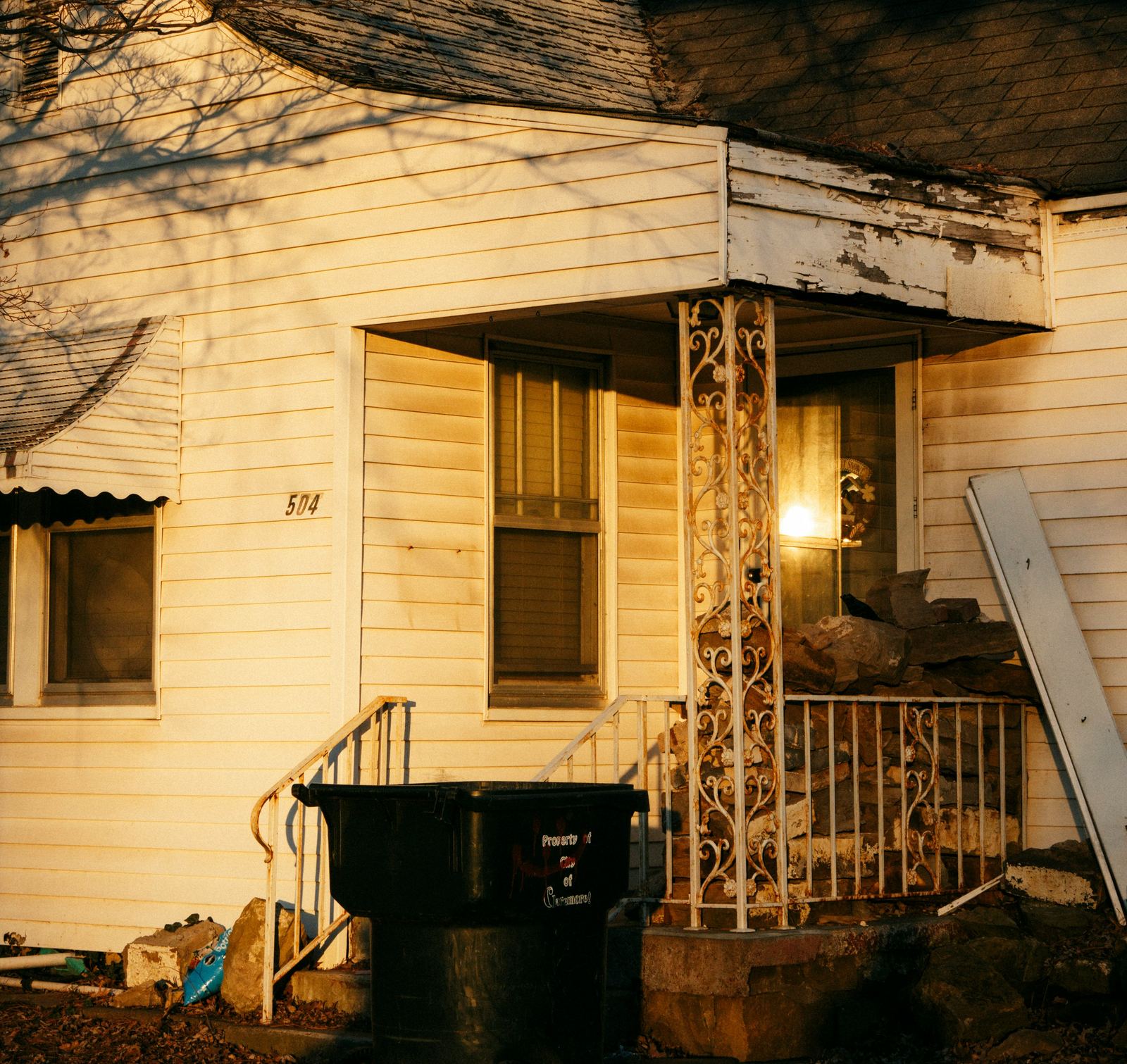
Peeling paint and cracking along the fascia board are early warning signs that the material underneath has started to fail.
New OrleansHumidity + Termites
Constant moisture and aggressive Formosan termite pressure push wood toward aluminum or fiber cement.
Destin / Emerald CoastSalt Air + Heat
Corrosion on weak metal finishes and heat-driven vinyl brittleness favor quality aluminum or fiber cement.
Reading The Damage
Signs Your Soffit or Fascia Needs Repair or Replacement
Catching a problem at the soffit or fascia stage is almost always cheaper than waiting for it to become a roof or attic problem.
Visual Warning Signs (peeling paint, sagging, cracks)
Peeling or bubbling paint, visibly sagging sections, cracks, or soffit panels that have pulled away from the fascia are all signs that the material underneath is failing, even before any water or pest damage becomes visible. On wood specifically, discoloration or a slightly spongy feel when pressed is an early sign of rot that hasn't yet shown up as a visible hole.
Pest and Moisture Warning Signs
Mud tubes, sawdust-like debris, or actual insect activity around the eave line point to an active pest problem, while water stains, dripping, or a musty smell near the eave usually mean water is getting behind the fascia or through a gap in the soffit rather than running off through the gutter as it should.
When to Repair vs. When to Replace
A small, isolated section of damage on an otherwise sound board is usually a reasonable repair, but widespread rot, multiple damaged sections along the same roofline, or damage tied to an active pest infestation generally calls for full replacement rather than patching one spot and leaving the rest of the same vulnerable material in place.
Check Both While You're Up ThereMud tubes, musty smells, and water stains near the eave are worth investigating immediately — a contractor repairing one of soffit or fascia should check the other, since damage to one frequently starts affecting the other over time.
Getting It Right
Installation & Maintenance Basics
Getting the sequence and the maintenance schedule right protects that investment for the full length of its expected lifespan.
What Installs First (Fascia Before Soffit)
Fascia typically installs before soffit, since the fascia board establishes the roofline edge and gives the soffit panels something to butt up against once they're set. Installing in this order also means the gutter, which mounts to the fascia, can go up without the soffit installation getting in the way.
Seasonal Maintenance Checklist
A twice-yearly check — generally before and after the heaviest rain and hurricane-season months — should look for peeling paint or visible damage, confirm soffit vents aren't blocked by debris or nesting material, check that the gutter is still firmly attached to the fascia, and look for any of the pest or moisture warning signs covered above before they have a chance to spread.
They're one connected system — treat them like it, and each one lasts longer.
Frequently Asked Questions
What's the difference between soffit and fascia?
Fascia is the vertical board running along the edge of the roof, visible from the street, and it's what the gutter attaches to. Soffit is the horizontal panel underneath the roof overhang, usually vented, and its main job is letting fresh air into the attic while keeping out rain and pests.
Can you replace one without the other?
Yes. They're separate boards and can usually be repaired or replaced independently if only one is damaged, though a contractor doing the work will often check both while they're up there, since damage to one frequently starts affecting the other over time.
What's the best soffit and fascia material for humid, hurricane-prone climates?
Aluminum and fiber cement generally perform best in this climate, since both resist rot, pests, and moisture damage far better than wood, and both hold up reasonably well against Destin's salt air and heat compared to vinyl's tendency toward brittleness in sustained high heat.
How long does soffit and fascia last in Louisiana or Florida heat?
It depends heavily on material: wood typically lasts 10 to 15 years in this climate given the added humidity and termite pressure, vinyl and aluminum typically last 20 to 30 years, and fiber cement and top-tier aluminum systems can reach 40 to 50 years with basic maintenance.
How much does soffit and fascia repair or replacement cost?
Cost varies by material and length of roofline: wood generally runs $1 to $4.50 per linear foot, vinyl $1 to $8 per linear foot depending on whether it's soffit or fascia, aluminum $3 to $6 per linear foot, and fiber cement $5 to $12 per linear foot, all before labor.
Schedule a Free Roofline Inspection
Both are easy to ignore until a gap lets in pests, a gutter pulls loose, or an attic starts running hot — and by then the fix usually costs more than it would have as routine maintenance. GuttersTech inspects and repairs soffit, fascia, roofing, and gutters as one coordinated system across New Orleans and the Destin/Emerald Coast, so a problem with one component gets caught before it spreads to the others.