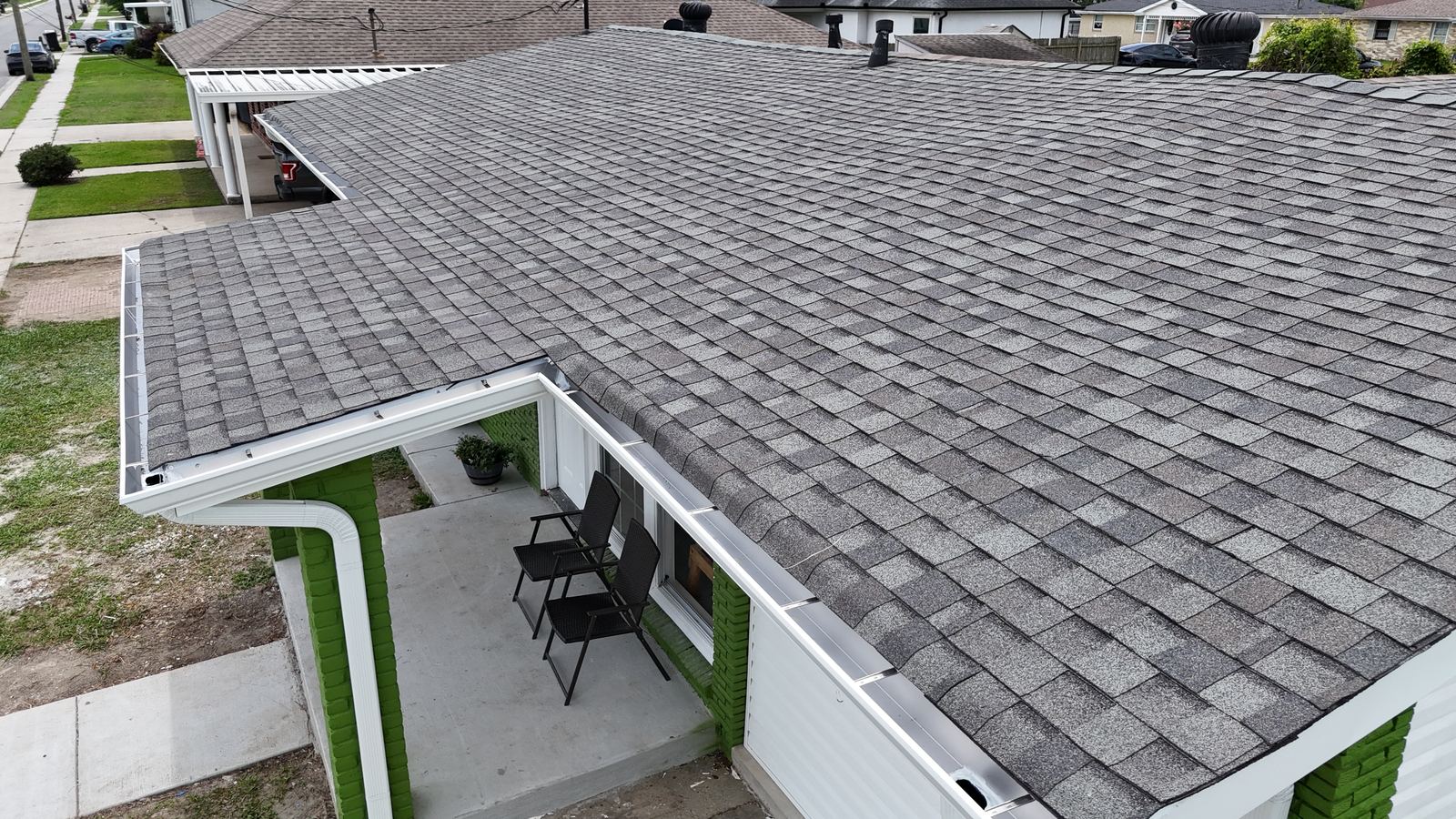
A shingle roof is like fish scales — each shingle overlaps the next so they all work together to channel water off the roof. No single shingle is left to defend itself against water on its own.
All shingles are tapered and laid in rows so each row overlaps the previous one, which is in turn fastened to the roof deck. With every row overlapping, water can only travel off the roof — it can't find a way to work through the rows fastened underneath.
The System
How a Shingle Roofing System Protects Your Home
Shingles are the last layer of a system made up of five layers, and skipping a layer in between can make the roof fail before its time.
1. Decking
What every other component attaches to. Problems here compromise all the roofing materials installed on top of it.
2. Underlayment
Felt or a synthetic layer placed on the deck — a backup if water is able to penetrate through the shingles.
3. Water Barrier
Self-adhering membrane at eaves and other high-exposure areas, required by code in Florida's high-velocity hurricane zones.
4. Shingles
The last layer — this is what does the main job of shedding water off the roof.
5. Flashing
Metal strips at chimneys, vents, valleys, and roof-to-wall intersections, sealing every place the roof plane changes direction. Leaks most commonly start at valleys, not the open field of shingles most people assume.
Materials
Types of Roof Shingles
By materials, design, and property type.
Classification by Material Composition
Industry StandardAsphalt Shingles
A fiberglass mat coated in asphalt and topped with a layer of granules — available in every shingle style. Most roofs use asphalt because it balances cost, longevity, and looks better than any other option for most budgets.
PremiumMetal Shingles
A premium, more durable, and costlier choice. Metal shingles last almost twice as long as asphalt, but installation is more costly and intricate — especially for solar shingle variants.
High MaintenanceWood Shakes & Shingles
A distinctive stained-wood look at a higher cost and more upkeep. Untreated wood soaks up humidity, which is a real risk in a climate this wet.
Longevity / SyntheticSlate & Composite Shingles
Natural slate is the longest-lasting roofing option, but its weight usually requires a structural upgrade most homes don't have. Composite shingles imitate the look of wood or slate in a lighter material that typically lasts 30 to 50 years, without slate's structural demands.
This region's building codes call for shingles well above a basic 60-90 mph tier — even though a base-tier shingle can look identical to a higher-rated one on the store shelf.
Asphalt Shingle Styles: 3-Tab vs. Architectural
3-Tab shingles are the least expensive option — single-layered, flat, and uniform, but with a lower wind rating and less durability than laminate shingles. Architectural (dimensional) shingles use two laminated layers for a heavier, textured look, a higher wind rating, and a longer lifespan. That wind-rating gap is what should actually drive the choice, especially along the Gulf Coast.
Residential Roofing Needs
Homeowners typically care most about curb appeal, HOA or historic-district compliance, and warranty length, in that order — which is why architectural shingles are the most common residential roofing material in New Orleans and the Emerald Coast.
Light Commercial Roofing Applications
Shingle roofing is typically used on steep-slope commercial buildings because it's more durable than a full metal buildout, but still more budget-friendly than one.
115–190 MPHASTM D7158 wind-uplift range across Class D, G, and H
MIN. 10%Copper granule blend that stops algae before it starts
Wind and Hurricane Resilience (The Gulf Coast Standard)
Shingle wind performance is tested under ASTM D7158, which grades shingles D, G, or H based on the wind speed they resist before uplift. That scale was revised in 2016 — Class H topped out at 150 mph under the original 2005 version, but the current standard (referencing ASCE 7-10/7-16) pushes Class H to roughly 190 mph, with Class G around 150 and Class D around 115. Either way, the sealant strip does the actual work: a heat-activated adhesive that fuses to the shingle below it once the sun warms the roof, and that bond is what separates a Class H product from a base-tier shingle rated for 60-90 mph, even though both can look identical on a shelf.
Algae Resistance and High Humidity
The dark streaking you see on older roofs across this region is Gloeocapsa magma — blue-green algae — and it's a humidity problem, not a dirt problem. Shingles built with copper granules address it directly: 3M's Scotchgard Protector requires a minimum 10% blend of copper-coated granules, uniformly distributed across the shingle surface, that slowly release copper ions into roof dew and stop the algae from establishing a foothold rather than just resisting it after the fact. In a climate this humid, that granule technology is worth specifying rather than assuming standard roofing material will hold up the same way.
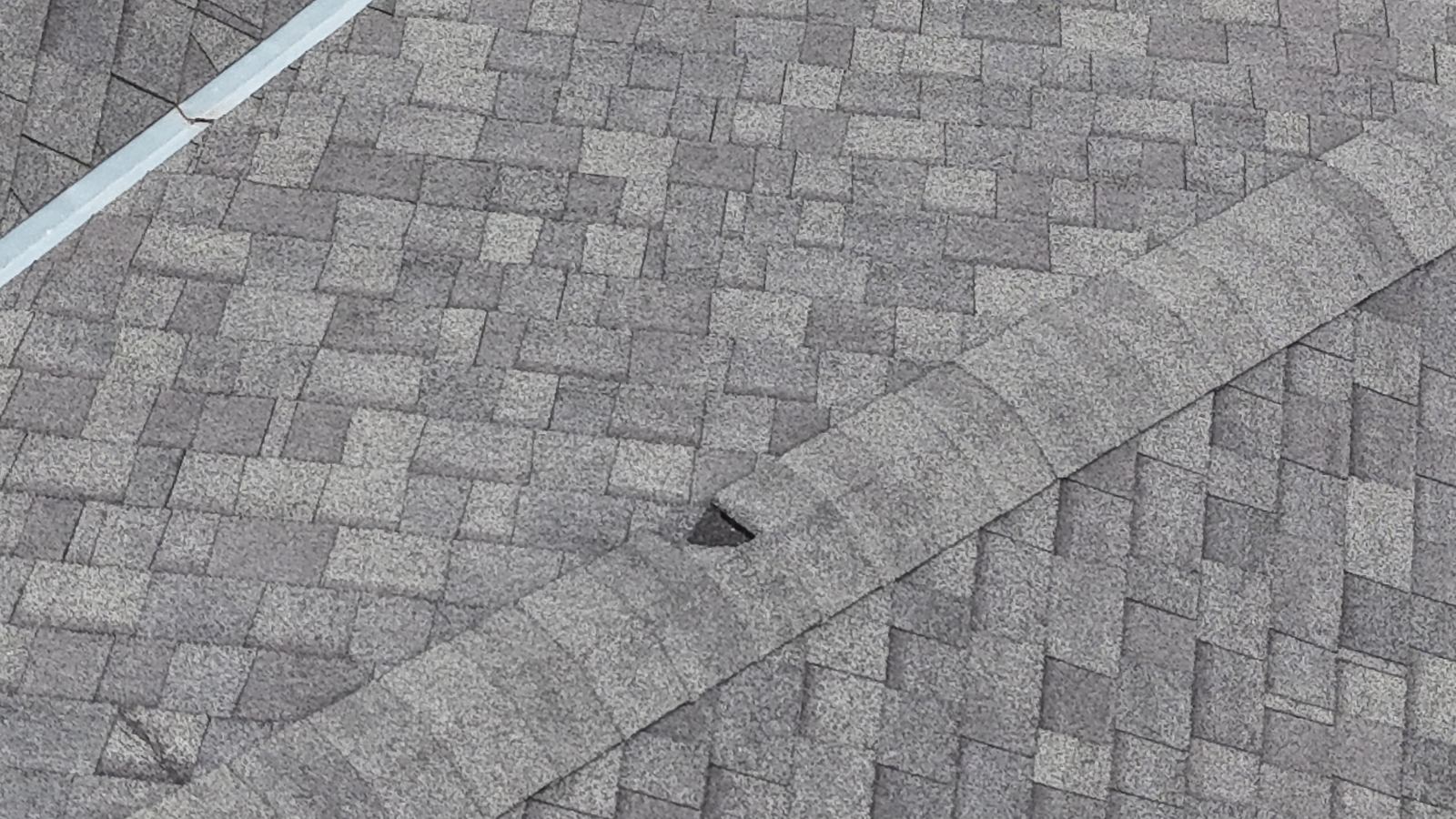
Repair Is Usually EnoughA few missing tabs, one vent flashing leak, or wind damage to a single slope section are all examples of problems a localized fix resolves — no other section of the roof needs to be disturbed.
Time for a Full ReplacementMultiple slopes missing granules or showing shingles that are curling or cupping, visible sagging in the structure, or a roofing system older than 20 years all point toward replacement — at that stage, it's usually more economical than continuing patch repairs.
New Orleans, LA$9,000–$18,000
Architectural shingle replacement runs $475-$950 per square — well above the roughly $400-600 national average. Three things drive that gap: 150+ mph wind-code compliance, added labor complexity on historic-district homes, and specialized labor for FORTIFIED-standard installations.
Destin, FL$9,000–$16,000
Baseline for a standard asphalt roof. Florida's HB 715 lets contractors reinforce roof-to-wall connections during a re-roof where the existing connection falls short — a real add-on cost, but one that depends on your home's existing hardware, so get a firm number rather than budgeting off a rule of thumb.
Figures above are national and regional averages, not quotes — actual cost depends on your roof's size, pitch, and condition.
Key Factors That Drive Shingle Roofing Estimates
Aside from region, four things move an estimate the most: roof pitch, the number of existing layers that need tearing off, the roofing material and wind-rating class selected, and site accessibility — more labor time for a roof surrounded by trees, multiple stories, or a tight urban lot. Cost is highly variable, especially once metal or specialty materials enter the conversation, and it's best assessed once a contractor can actually inspect the roof.